
TikTok Culture and Its Impact on Youth Awareness, Economy, and Politics
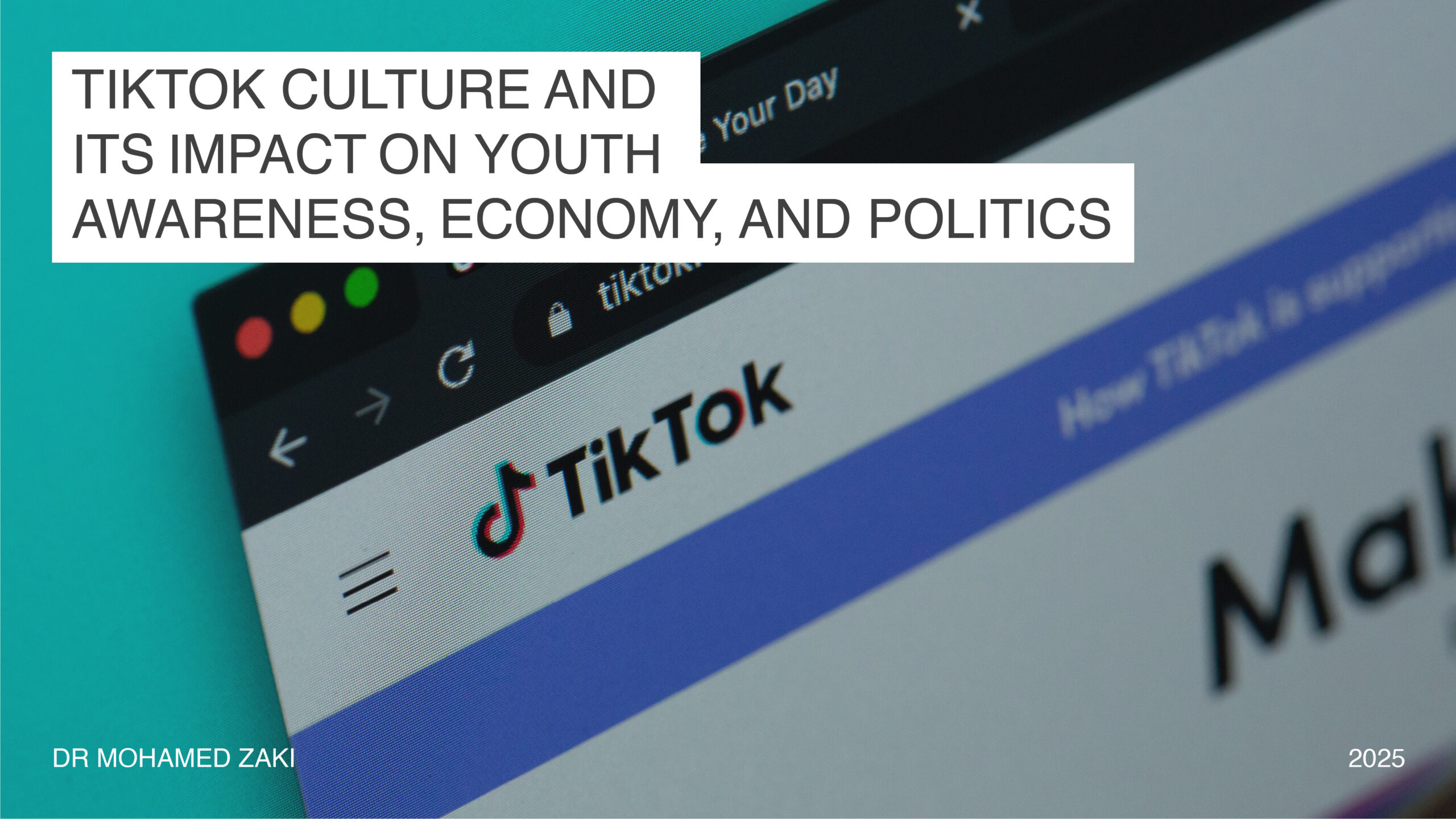
In recent years, TikTok has emerged as a symbol of digital and social transformation, evolving beyond mere entertainment into an influential economic and political force shaping youth awareness. Short-form content, music, trends, and viral challenges spread at lightning speed, serving as tools to influence behavior, mold opinions, and even guide individual and collective economic decisions. This phenomenon is neither local nor fleeting; it stretches globally, offering a unique case study on how social media platforms can simultaneously drive economic growth, social change, and political influence.
Economically, TikTok has radically shifted traditional business models. The platform generates massive revenue through advertising, digital gifts, and brand partnerships. Companies have recognized that appearing in the right trend can instantly amplify sales and enhance brand value, while creators gain a direct income source linked to their digital audience. In this context, TikTok has become a genuine financial channel, controlled by sophisticated algorithms that determine which content reaches millions, consolidating enormous economic power in the hands of a relatively small group of creators and corporations.
Socially, TikTok reshapes youth awareness, continuously exposing them to a torrent of cultural and social messages—some positive, promoting creativity and education, and others potentially harmful, encouraging unhealthy behaviors or distorting realistic perceptions of the world. Young people increasingly rely on digital content to form opinions and make decisions, raising critical questions about intellectual independence and the broader societal impact of digital platforms on culture and social development.
Public policy can no longer remain detached from these shifts. Governments and organizations use digital content to influence public opinion, monitor trends, and even predict social and political responses. Discussions have emerged on the necessity of regulatory frameworks to control digital platforms, protect privacy, and prevent the manipulation of content for public influence or the exploitation of personal data. The primary challenge lies in balancing freedom of expression, individual protection, and transparency in a digital economy intrinsically linked to platforms like TikTok.
Ultimately, TikTok is not merely an entertainment platform; it has become an economic, social, and political force, reflecting how modern technology can serve as a comprehensive driver shaping youth and society. Addressing this phenomenon requires societal awareness, regulatory and technological tools, and a clear political vision to ensure the platform remains a vehicle for creativity and growth rather than an instrument for control or manipulation of public consciousness.